How to do Tuina Massage
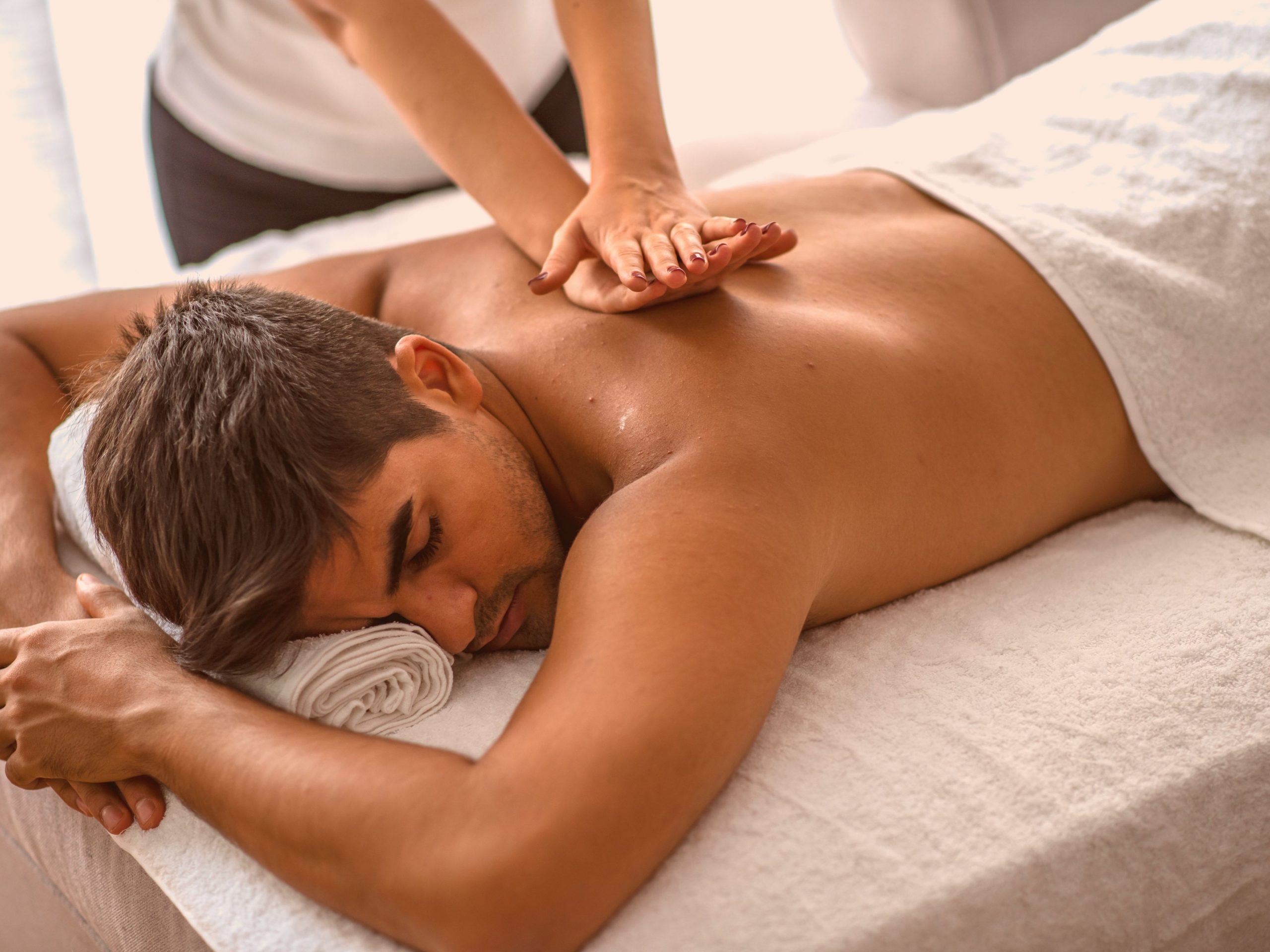
How to do Tuina Massage

How to do Tuina Massage Tuina massage is a Chinese method of healing whereby the alleviation of pain and discomfort is achieved through the manipulation of the body’s natural energy channels, known as meridians. It starts with some gentle rubbing on the back and near the shoulders, extending this to the limbs to prepare the muscles for the rest of the massage. The throbbing effects are applied more progressively with rubbing, stretching and pressing of certain acu points along the channel meridians. This helps in unblocking the energy channels, enhancing blood flow and relieving complaints. Some practitioners will also engage in manipulation of the joints in a bid to enhance range of motion and stiffness. Chinese massage techniques Tuina is best performed by professional persons because it depends on certain logistics and workings of the body that entail pressure points and their use so as to provide helpful results without being harmful. Also visit our Pooja Spa How is Tui Na massage done? Tui Na massage is performed by applying various hand techniques to stimulate the body’s energy pathways, or meridians, promoting healing and balance. The massage starts with gentle kneading or rubbing to warm up the muscles, often on the back, neck, and limbs. Next, the practitioner exerts targeted pressure using their thumb, fingers or palm by pressing, rolling, tapping or stretching the specific acupressure point as needed. This encourages the movement of energy, relief of stress, and enhancement of blood flow. Advancing the practice, Tui Na technique may include joint treatment for a wider range of movement. The treatment is variable depending on the client’s responses and thus Tui Na helps to alleviate pain, stress, and stiffness in a range of patient. What are the side effects of Tui Na massage? Tui Na massage is generally suitable for the vast majority of individuals, though some mild side effects may occur, particularly in people who are not accustomed to deep tissue manipulations. The most prevalent of these side effects are usually soreness, bruising, or slight ache in the region that has undergone treatment, owing to the fact that Tui Na includes a good deal of muscle and joint work along with the application of firm pressure to the areas being treated. Tui Na self massage Some individuals may also experience fatigue or lightheadedness right after the session as their body may be adjusting to the flow of energy. Muscle failure or joint pain may rarely be caused by the use of incorrect techniques. To be on the safe side, a professional practitioner should be consulted, and any issues should be brought to the attention of the professional prior to the introduction of Tui Na, particularly for those who may have delicate skin or have pre-existing health issues. Also visit our Spa in Kolhapur What is the difference between Tui Na and regular massage? Tui Na is quite unlike a routine massage in the purpose and techniques that it employs being purely based on the vast practices of traditional Chinese medicine (TCM). While a regular massage focuses on relaxing the muscles and relieving the stress built-up in the body, Tui Na seeks to address the also pervasive energy, or “qi,” present in the body, by detangling surfaces along various meridians (energy pathways) in the body. Techniques in Tuina massage meaning Tui Na are often more intense and involve acupressure, kneading, rolling, and joint manipulation to release blocked energy and promote healing. Unlike Swedish or deep-tissue massages, Tui Na can involve vigorous movements and may address underlying imbalances. It’s commonly used to treat specific ailments like joint pain, headaches, and chronic tension.    
Can Scalp Massager Cause Hair Loss

Can Scalp Massager Cause Hair Loss When utilized in an appropriate manner, a scalp massager generally does not result in the loss of hair. On the contrary, it may act positively since it enhances blood circulation to the scalp area and promotes hair growth at times. Nevertheless, using too much pressure or massaging too often can lead to breakage of hairs or destruction of follicles and this might look like hair loss. Thus, one is advised to apply these devices for brief periods and with only little force so that no problems occur. In case there are worries regarding alopecia or tenderness on one’s scalp skin surface, a dermatologist should be consulted prior to commencing any use of a scalp massager. Also visit our Massage parlour in Thane Why am I losing hair after scalp massage? There could be various reasons for this occurrence in which hair strands fall off after a scalp massage. One of the main causes that lead to hair breakage or weakens hair roots is applying a lot of force during the massage or using rough methodology. Additionally, if you have hair that is already weak and prone to falling out, then it means that the rubbing could have released some strands during their dormant stage within the life cycle of human hair. A massage might also worsen any pre-existing problems such as dandruff and dermatitis affecting the scalp. Best scalp massager for hair growth  Thus light pressure is recommended when massaging your head so as not to lose too much hair in case you realize any abrupt shedding or excess loss, visiting a dermatologist would be necessary. Can a scalp massager regrow hair? Hair follicles may be stimulated to grow again through blood circulation by a scalp massager. The delivery of more oxygen and nourishment via improved circulation can facilitate healthy hair growth on scalp. Additionally, stress which is associated with loss of hair could be reduced through the use of a scalp massager. Nonetheless, its not a guaranteed method for revival of hair but it does support total scalp health but not in case of hereditary baldness or serious ailments. Scalp massage hair growth before and after pictures Therefore, where there is considerable hair thinning or loss, a combination of scalp massages with other treatments and visiting a dermatologist is advisable to get the best results. Is it okay to use scalp massager everyday? It is usually alright to use a scalp massager daily, as long as it is used for brief periods and without putting too much force on the area. This daily practice increases blood circulation to the scalp, thus, promoting the growth of healthier hair while also reducing stress levels. Scalp massager benefits However, caution should be taken not to press too hard since rough handling may cause hair damage or irritate the scalp. For many individuals, just a few minutes of gentle massage over few days could be so helpful. If you have a sensitive scalp or an existing problem with the hair, begin with rare usage instead and watch how your head and hairs react to that. Also visit our Massage parlour in Kolhapur

Why Massage is Important

Why Massage is Important Why Massage is Important Massage therapy has long been celebrated for its therapeutic and relaxation benefits, but its importance extends far beyond mere indulgence. From enhancing physical health to improving mental well-being, massage plays a crucial role in maintaining overall wellness. This comprehensive blog post delves into why massage is important, exploring its numerous benefits, the science behind its effects, and how incorporating it into your routine can significantly improve your quality of life. Understanding the Importance of Massage Why Massage is Important involves the manipulation of soft tissues to promote relaxation, relieve pain, and enhance overall health. It encompasses various techniques, including Swedish, deep tissue, and sports massage, each tailored to address specific needs. Understanding why massage is important requires a closer look at the wide array of benefits it offers. Physical Health Benefits Pain Relief One of the most significant benefits of massage is its ability to alleviate pain. Massage therapy can help reduce chronic pain conditions such as lower back pain, arthritis, and migraines. By applying targeted pressure to specific areas, massage helps release muscle tension, increase blood flow, and reduce inflammation. This relief can be particularly beneficial for individuals suffering from conditions related to muscle stiffness and joint pain. Improved Circulation Massage enhances blood flow by stimulating the cardiovascular system. The application of pressure and rhythmic movements helps dilate blood vessels, improving the delivery of oxygen and nutrients to tissues while aiding in the removal of metabolic waste products. Improved circulation contributes to better overall health, supports tissue repair, and boosts energy levels. Enhanced Flexibility and Range of Motion Regular massage therapy can improve flexibility and range of motion by loosening tight muscles and connective tissues. Techniques such as stretching and myofascial release help increase joint mobility and reduce stiffness. This enhancement is particularly beneficial for athletes, individuals with sedentary lifestyles, or those recovering from injuries. Muscle Recovery and Performance Massage is an essential component of athletic training and recovery. It aids in muscle recovery by reducing soreness, preventing injuries, and improving performance. Post-exercise massage helps clear lactic acid and other waste products from the muscles, accelerating the healing process and enhancing overall physical performance. Stress Reduction and Relaxation Massage therapy is renowned for its ability to reduce stress and promote relaxation. Why Massage is Important The gentle pressure and rhythmic strokes trigger the release of endorphins and other neurochemicals that counteract the effects of stress. The relaxation induced by massage helps lower cortisol levels, reducing anxiety and fostering a sense of calm. Mental Health Benefits Reduction of Anxiety and Depression Massage therapy has been shown to have a positive impact on mental health by reducing symptoms of anxiety and depression. The release of serotonin and dopamine during a massage promotes a sense of well-being and improves mood. Regular massage sessions can contribute to emotional stability and enhanced mental resilience. Improved Sleep Quality Massage can significantly improve sleep quality by promoting relaxation and reducing physical discomfort. The calming effects of massage help regulate sleep patterns, leading to more restful and restorative sleep. Individuals who experience insomnia or disrupted sleep may benefit from incorporating regular massage into their self-care routine. Increased Body Awareness Massage therapy fosters a heightened sense of body awareness. As individuals become more attuned to their physical sensations and areas of tension, they can develop a better understanding of their body’s needs. This increased awareness can lead to more effective self-care practices and a greater connection with one’s physical and emotional state. Immune System Support Enhanced Immune Function Regular massage therapy can boost immune system function by promoting lymphatic drainage and reducing the impact of stress on the body. The lymphatic system plays a crucial role in removing toxins and supporting immune responses. By improving lymph flow, massage helps enhance the body’s ability to defend against illness and infections. Reduced Inflammation Massage therapy has anti-inflammatory effects that can benefit individuals with conditions such as arthritis or fibromyalgia. By reducing muscle tension and improving circulation, massage helps decrease inflammation and promote overall healing. This reduction in inflammation contributes to improved comfort and mobility. Cognitive and Emotional Benefits Enhanced Mental Clarity and Focus Massage therapy can improve cognitive function by promoting relaxation and reducing stress. Why Massage is Important The decrease in cortisol levels and the increase in relaxation contribute to enhanced mental clarity and focus. Individuals who experience mental fatigue or cognitive overload may find that regular massage helps improve their concentration and productivity. Positive Emotional Impact The emotional benefits of massage extend beyond stress relief. The nurturing touch of a skilled therapist can foster a sense of emotional comfort and connection. This positive interaction can enhance self-esteem, improve body image, and contribute to a more positive outlook on life. How to Incorporate Massage into Your Routine Choosing the Right Type of Massage Different types of massage offer varying benefits. For pain relief and muscle recovery, consider deep tissue or sports massage. For relaxation and stress reduction, Swedish or aromatherapy massage may be more appropriate. Consulting with a licensed massage therapist can help determine the best approach based on your individual needs and goals. Scheduling Regular Sessions To experience the full benefits of massage therapy, consider incorporating regular sessions into your routine. The frequency of sessions may vary based on personal preferences and health goals. Regular massages can help maintain muscle health, reduce stress, and support overall well-being. Combining Massage with Other Wellness Practices Massage therapy can be complemented by other wellness practices, such as exercise, healthy eating, and mindfulness. A holistic approach to health supports overall well-being and enhances the benefits of massage. Incorporating activities such as stretching, hydration, and relaxation techniques can further improve your quality of life. Creating a Relaxing Environment To maximize the benefits of massage, create a relaxing environment both at home and in the massage therapy setting. A quiet, comfortable space with soothing lighting and calming music can enhance the overall experience. Taking time to unwind and enjoy the relaxation offered by massage therapy … Read more